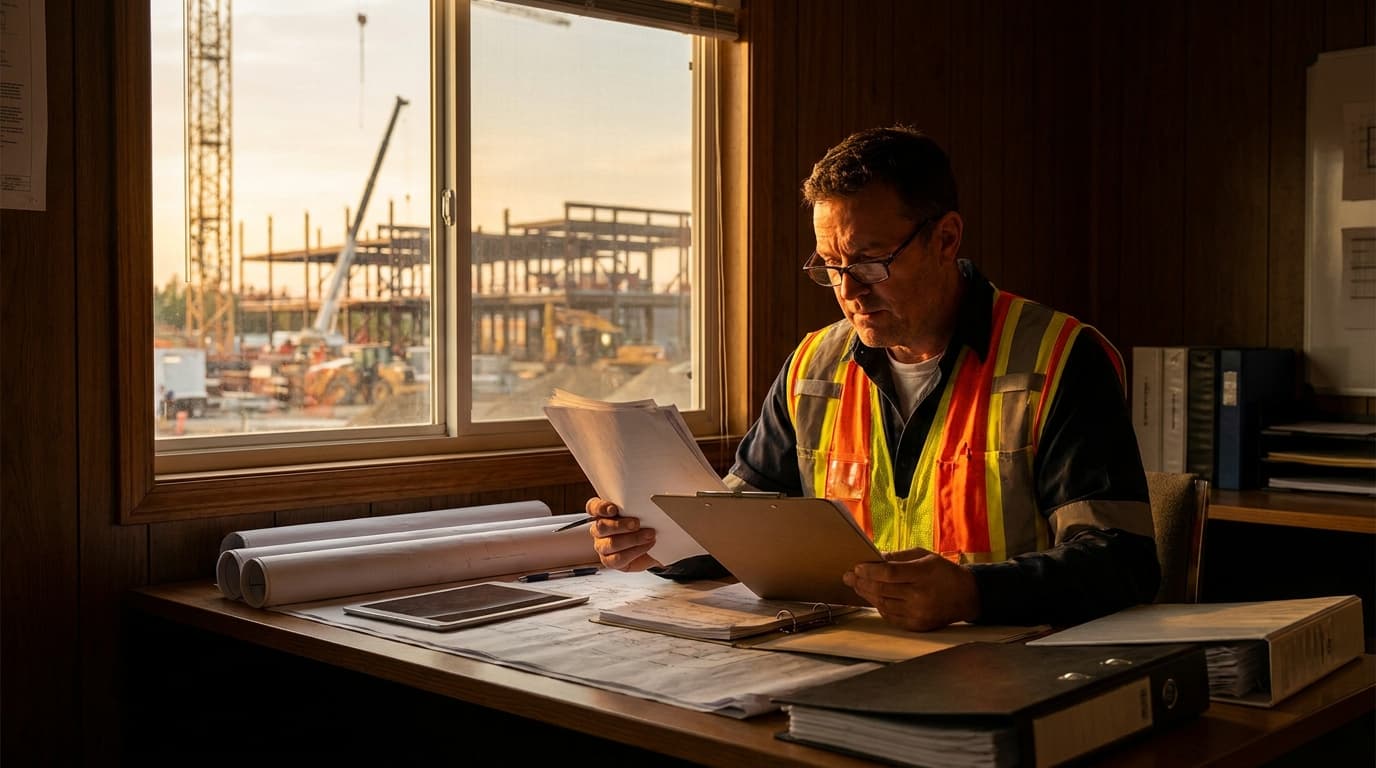
The fastest way to find subcontractors is to ask every good trade you already work with who they would recommend for the disciplines you do not cover yet. Back that with online platforms and local sourcing, then vet every name the same way before any client's job depends on them.
Why sourcing is the make-or-break skill in this business
In construction arbitrage you do not do the work - you win the work and hand it to the right trade. That means your subcontractors are your product. You can be sharp at sales and precise on pricing, but if the trade does poor work or does not show up, it is your name on the contract and your reputation on the floor.
I run over 1,500 subcontractors in the database now. It did not start there. It started with one plumber I trusted, asking him who he would use for a job he could not take. The referral chain is still how I fill gaps in the bench today.
Start with referrals - the source that actually works
Referrals beat every other method. A trade vouched for by someone who has already worked with them is worth ten cold names off a directory.
The referral chain:
- Other trades you already use. Ask every sub you work with who they trust for the disciplines they do not cover. Good tradespeople know good tradespeople. This is how a database gets built over time.
- Past clients. "Who did your last renovation? Would you use them again?" A name from a satisfied client is warm, proven and usually local.
- Other contractors. Talk to contractors working adjacent niches or areas. They have names they cannot use in your territory; you have names they cannot use in theirs. Trade them.
Referrals take longer than typing into a platform. They are worth the wait every time.
How to find subcontractors online
Online platforms are volume sources - useful for getting names fast when you are building a new bench or filling a gap in a trade you do not have a referral for. Use them to find names and then vet every one hard. Most platforms are built to sell leads to trades, not to find trades for you.
UK:
- Constructionline. Once you hold the contract you are the buyer, and buyers can search its database of pre-qualified contractors by trade and region. Gold-tier entries have had health and safety evidence verified, which takes a chunk of the paperwork off your plate. Best for established firms.
- Indeed and trade job boards. Post the trade, the area and the day rate. Working trades reply fast. Treat it as a first filter.
- Checkatrade, MyBuilder, Rated People. Built for homeowners but list working trades with reviews and a phone number. Good for finding names in a specific postcode.
- CIS labour agencies. The fastest way to fill a gap on a live job. More expensive than a direct sub, but they supply CIS-registered trades at short notice.
US and Canada:
- The Blue Book Network. The main commercial construction directory. Search by trade and region and send bid invitations directly to firms.
- BuildingConnected and the Procore Construction Network. Bid management platforms with large sub networks attached. Search by trade, invite to price a scope, compare responses.
- Local AGC and ABC chapters. Member directories of real firms, plus events where subs actively look for general contractors to work under.
For a deeper breakdown of every platform - what each costs, who it works for and where it falls short - see where contractors actually look for subcontractors. That page runs through the full list with the honest picture of what you actually get.
How to find subcontractors near you
Local is almost always better. A sub forty miles away turns down small jobs and arrives late to the big ones. The local sources that work:
- Vans and hoardings. Trades working your patch put their name on their van. Note the ones you see on the same streets week after week - a trade with steady local work is usually a reliable one.
- Builders' merchant counters. The trades at the counter at 7am are active, working trades. The counter staff know who buys consistently and who pays their account on time. A relationship with the right counter person is one of the best introductions you will get.
- Your client's last trade. Ask every client who did their previous work and whether they would use them again. A trade the client already trusts is also easier to sell on the next job.
- Google Maps, used properly. Search the trade and the town, skip the paid results, look for recent reviews, a live phone number and photos of real jobs. Call as a contractor with steady work coming - not as a customer asking for a quote. It is a different conversation entirely.
- Local trade WhatsApp and Facebook groups. Every area has one. Post that you have regular work for a good trade in your patch. The serious ones reply with photos of finished jobs.
Build a bench, not a contact list
One name per trade is a liability. The day your only plumber is sick, double-booked or ghosts you, your job stops - and the client blames you, not them.
Build a bench: at least two vetted, reliable trades for each core discipline you need regularly. Keep them both warm with steady work even when you do not strictly need both. The redundancy is not waste - it is what lets you make a promise to a client and actually keep it. Sourcing also works in reverse: good trades are looking for reliable contractors too, and how to get found by the subs worth having covers the side of the market that comes to you.
What that bench looks like at different scales of the business - from one sub to a full database - is in how many subcontractors you actually need.
Once your bench grows past a dozen names, you need a database, not a contacts app. What a properly built subcontractor database looks like, and why it outperforms any directory, is in what a vetted subcontractor network is and why it beats a directory.
What to do when you have a promising name
Finding the name is the first step. Deciding whether they are good enough to put in front of a client's job is the next one - and it is a different question.
Separating good from merely available. Most of the names you find will be available. The filter is reliability, quality and honesty about what they can actually do. The paid trial job, the tells on a first site visit and the questions that reveal character before the money is on the line are covered in how to find good subcontractors, not just available ones.
Hiring them properly once you are sure. Once you have found someone you trust, the next step is the paperwork: scope in writing, price and payment terms agreed, insurance certificate on file and the tax verification your country requires before you pay them. The full process - day rate versus price work, retention, CIS in the UK and 1099 in the US - is in how to hire a subcontractor.
Get the sourcing and the hiring right and the operational core of this business - delivery - quietly solves itself. That is construction arbitrage running the way it is supposed to: you win the work, the right trades deliver it, and the spread is yours.
Frequently asked questions
Where do contractors find subcontractors?+
The best source is referrals from other trades you already work with - ask every sub who they would use for the disciplines they do not cover. Back that with online platforms (Constructionline and trade job boards in the UK; The Blue Book Network and BuildingConnected in the US) and local sourcing through builders' merchant counters and trade Facebook groups.
How do I find reliable subcontractors?+
Start with referrals - a trade vouched for by someone who has worked with them beats any directory. Then run a short paid trial job before you trust a new sub with a real client. Reliability is revealed by a trial, not a quote. The full filter is covered in how to find good subcontractors, not just available ones.
Where can I find subcontractors online?+
In the UK: Constructionline (pre-qualified database), Indeed (post the trade and day rate), and Checkatrade or MyBuilder (reviews and contact numbers). In the US: The Blue Book Network, BuildingConnected and the Procore Construction Network. All of these give you names; you still have to vet everyone you find.
How do I find subcontractors near me?+
Note the van liveries you see on the same streets week after week - steady local work usually means a reliable trade. Ask every past client who did their previous work. Talk to the counter staff at a local builders' merchant. Post in local trade Facebook and WhatsApp groups offering regular work for the right trade.
How many subcontractors do I need?+
At minimum, two vetted reliable trades per core discipline - plumbing, electrical, general building and any specialist work you take on regularly. One per trade is a single point of failure. The moment your only plumber is sick or double-booked, your job stops and the client blames you.

Mohamed El HadriCo-Founder
I'm a co-founder of several construction companies. I built a construction business from a 30-van operation into a lean model with 1,500+ subcontractors in the database - winning the work as the main contractor, subbing it out, and running it as a system from a laptop across multiple countries. I write this site from what actually works.
@mointhemarket · 30k followers on Instagram →Run the model with people who already do
Reading the method is step one. Inside Construction Arbitrage Players you connect with players from around the world who run construction arbitrage every day and make real money from it - share your deals, get answers, and get in the game. Founding-member access is open now.
For the operator life and the inside story, see Contractor Club.
THE EDGE - the listening book on how the money really moves through a contracting business - is out now. Listen free, or see what is inside.
The Family Secret - how construction arbitrage really works - is coming soon.
A construction business built this way is a sellable asset
Systems, subs and margin - that is exactly what buyers pay for. If you own a construction or trade business and the exit is on your mind, list it on ContractorExit, the marketplace for buying and selling trade businesses. The valuation is free, so you find out what it is worth before you decide anything.
Get the Construction Arbitrage playbook
One sharp email a week: real numbers, live deal breakdowns, and the systems that let you run jobs you never visit. No fluff, unsubscribe anytime.